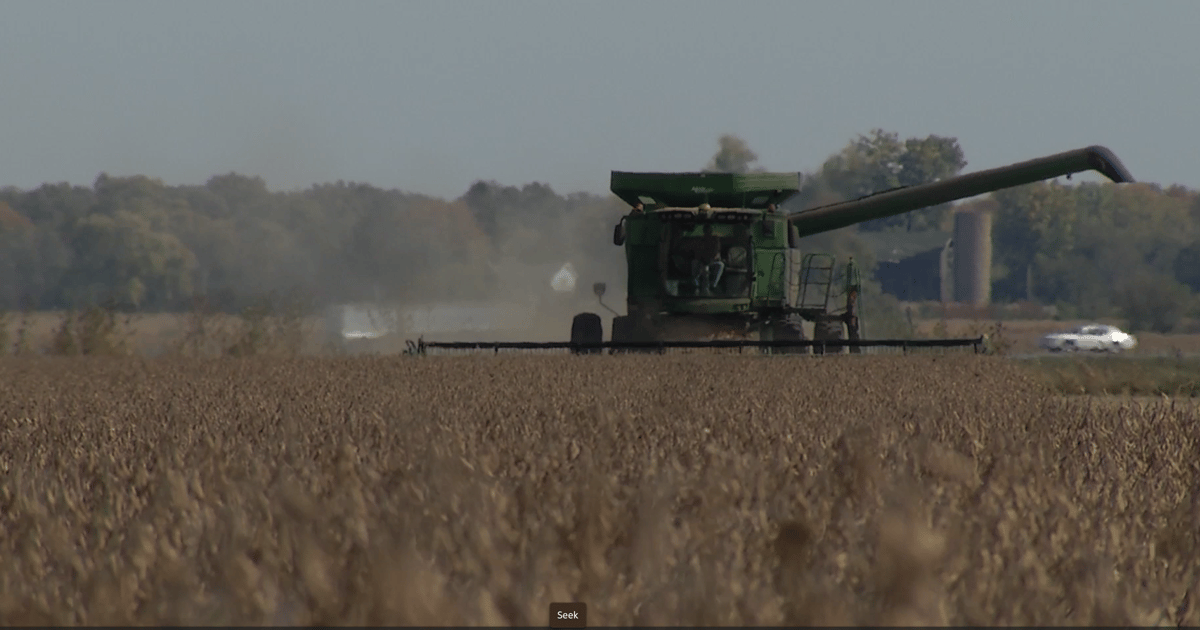
Farm Progress America, October 28, 2025
Posted on October 28, 2025
Source: Farm Progress. The original article is posted here.

Mike Pearson takes a look at how farmer and federal government investments into the environment is paying off with nutrient retention.
For years, excess nitrogen and phosphorus have flowed into rivers and lakes across the Midwest raising nitrate levels in drinking water and causing algae blooms.
To combat the problem, Corn Belt States launched initiatives to track and reduce the runoff.
Ohio launched their H2Ohio Wetland Monitoring Program in 2019, a program that invested millions of dollars in the construction and restoration of wetlands to trap nitrates before they reach open water.
The latest report confirms the strategy is working.
Researchers monitored 10 wetlands, and each showed clear nutrient retention.
The wetlands captured more phosphorous and nitrogen than they released. This turned farm runoff into clear water downstream.
Also, researchers found wetlands returned 29 percent phosphorous per acre and as much as 863 pounds of nitrogen per acre. That's a meaningful reduction in pollutants that cause algae blooms.
The Kent State Study also showed how design and management can influence results.
Some wetlands rely on nature for water to flow while other use pumps. In this move, it does cost more but does pay off especially during dry years.
Related: Events, events, events
Farm Progress America is a daily look at key issues in agriculture. It is produced and presented by Mike Pearson, farm broadcaster and host of This Week in Agribusiness .


Clark County Feeders is a BQA Certified 655-acre feed yard and grain storage facility specializing in beef cattle custom feeding and grain purchase, storage and sales.
.jpg?disable=upscale&width=1200&height=630&fit=crop)