Livestock Feeding & Management
Adding pounds to the scale and dollars to your profit.


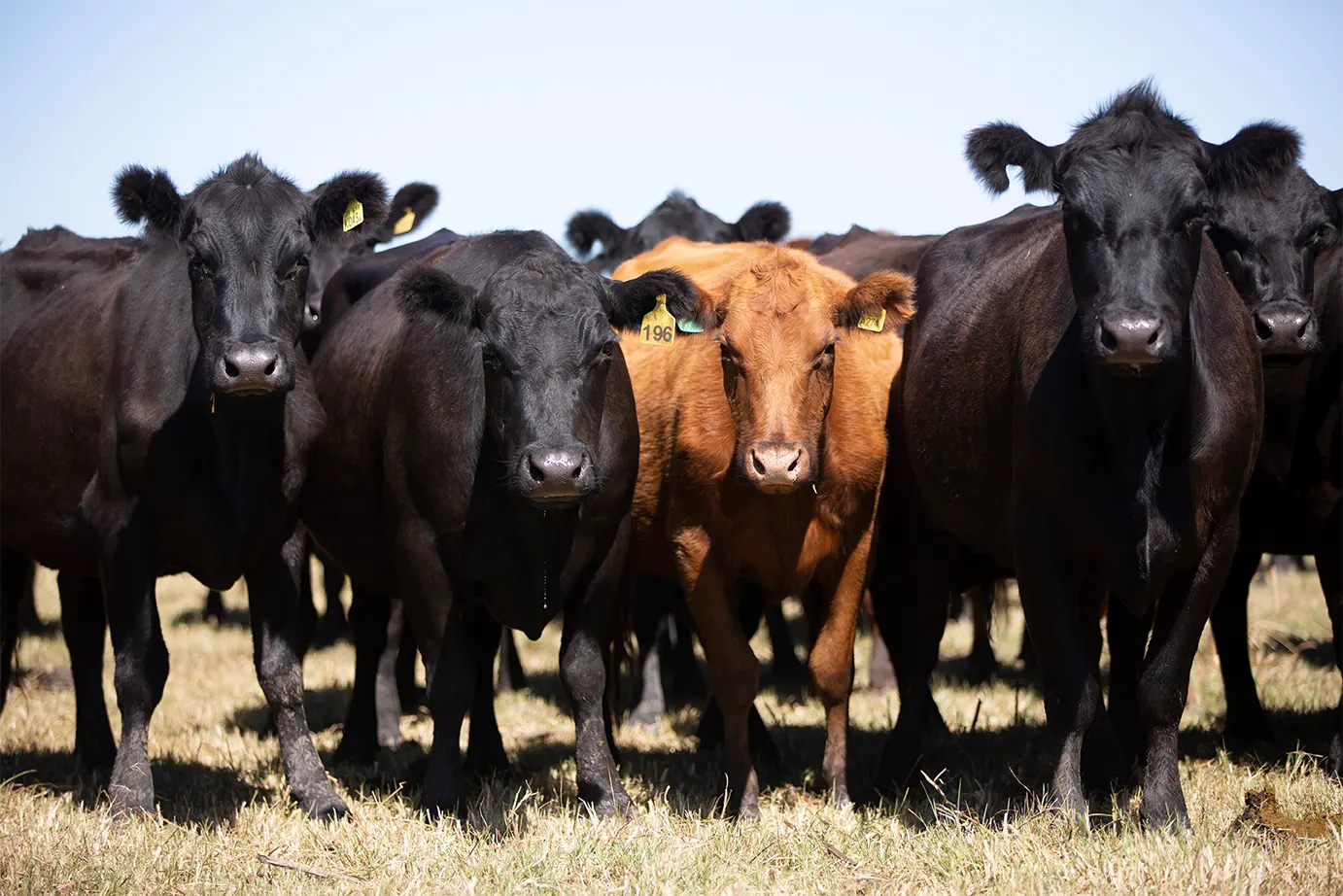
Custom Cattle Feeding
Low-stress and efficient weight gain.
We are a commercial cattle feeding operation in the heart of cattle feeding county. Our goal is to feed more uniformed groups of cattle. In doing so we have pens to accommodate groups of 40 to groups of 250. We use a consulting nutritionist and veterinarian to ensure animal health and maximum profit.
Market Snapshot
as of October 27 2026, 12:36am CST| Live Cattle | 231.200 | +0.075 | +0.03% |
|---|---|---|---|
| Feeder Cattle | 345.925 | +0.575 | +0.17% |
| Wheat | 613'3 | -2'8 | -0.45% |
| Corn | 453'5 | -1'5 | -0.33% |
| Soybeans | 1251'3 | -1'3 | -0.10% |
GRAIN STORAGE & CONTRACT SALES
Need storage or a place to sell your grain?
Clark County Feeders is working on making this a reality. We aren’t there yet, but keep us in mind and follow our socials (or just ask) when we’re ready to handle additional grain and services.
TRANSPORTATION SERVICES
Working on helping the producer haul and market his commodities.
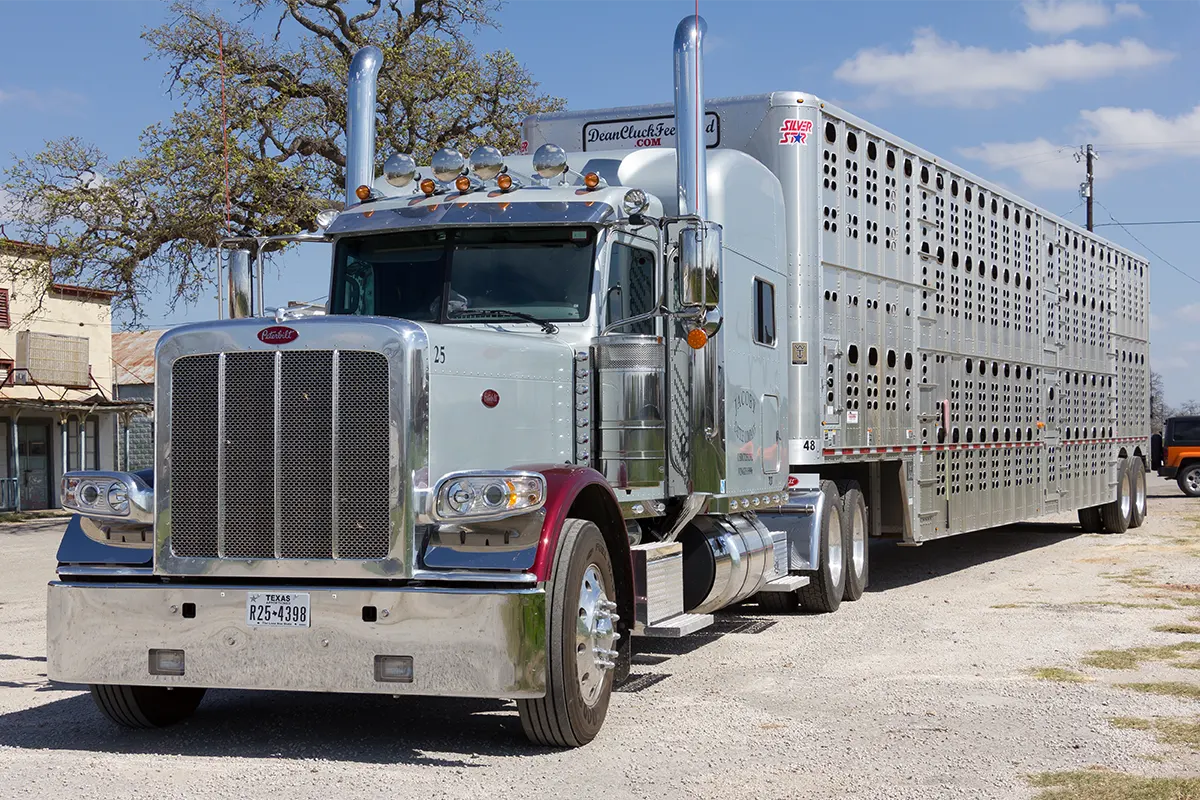
LIVESTOCK
We currently are offering transportation services into the yard and are working on partnerships if you’re needing transportation services leaving the yard. Give us a call, we’re happy to help.
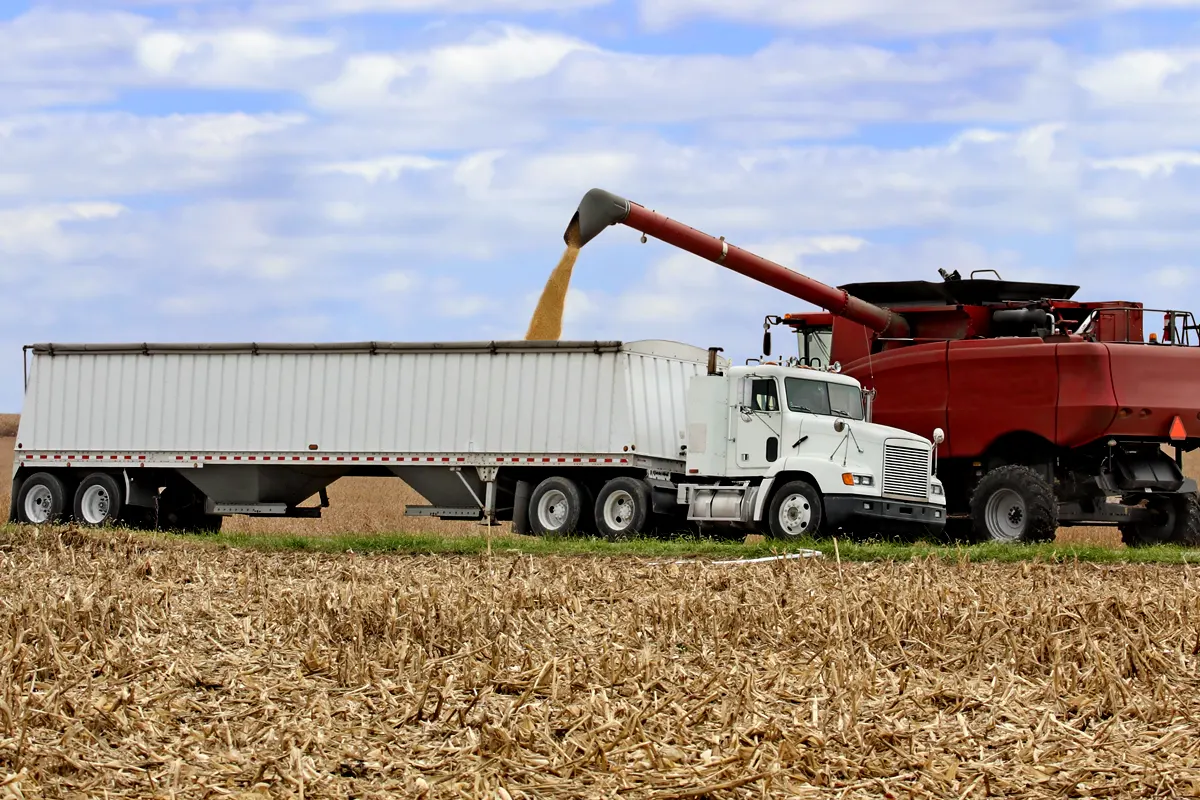
GRAIN
A grain cart and transportation services are on the horizon at Clark County Feeders. In the meantime, we’d be happy to help you find transportation to our facility.
Latest Headlines
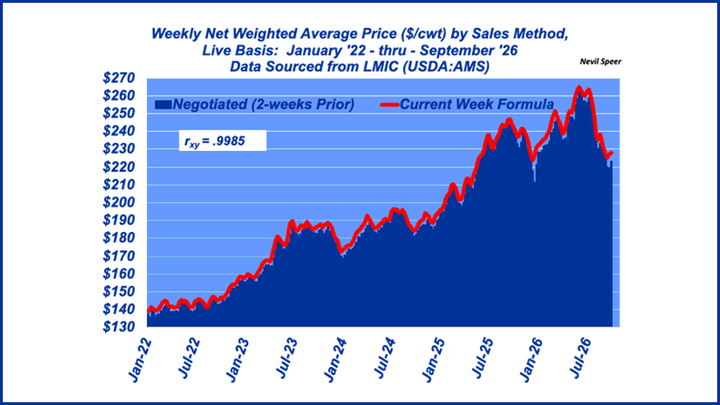
Price discovery and the benefits of AMAs (Part III)
There’s no bridge troll; alternative marketing arrangements are not “weakening the market for producers.”
October 26, 2026 - Nevil Speer

October 26, 2026
You vs. you: The choices we make
Embrace the “take charge of you” mentality, and shut out all the noise of the world.
October 26, 2026
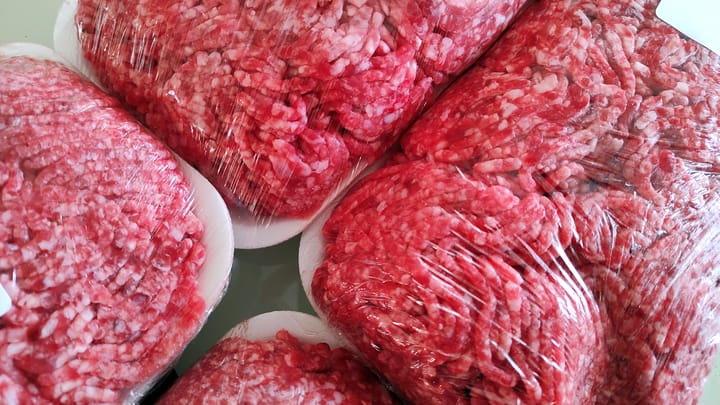
Complexity of U.S. beef imports and exports
With cattle inventories at historic lows and imports filling the lean-beef gap, the economics of ground beef are more tangled than ever.
October 26, 2026
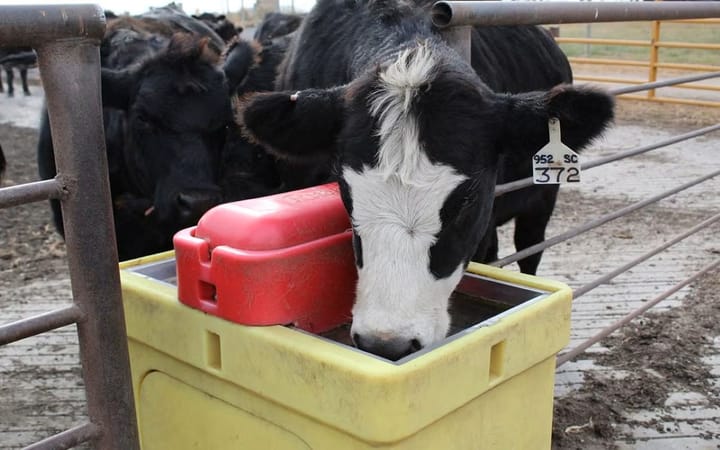
Does water in grass change how much cattle drink?
As pasture grass dries out through summer, new South Dakota research shows it's closely tied to how much water cattle drink from the tank.


Clark County Feeders is a BQA Certified 655-acre feed yard and grain storage facility specializing in beef cattle custom feeding and grain purchase, storage and sales.